
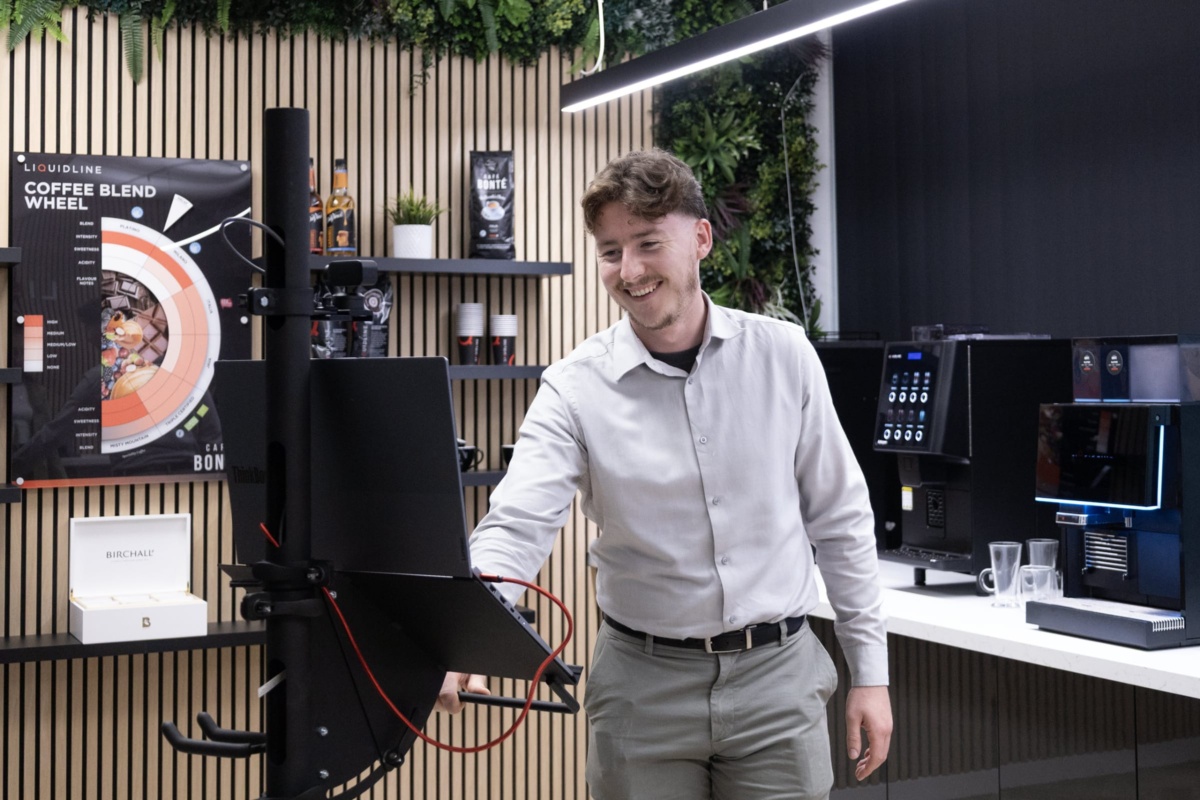
Top Tips on Providing Good Hydration Practices in the Workplace
Staying hydrated throughout the working day plays a vital role in supporting concentration, energy levels and overall wellbeing. Yet with busy schedules, long meetings and screen-heavy roles, it’s easy for employees to forget to drink enough water or struggle to access it easily.
Providing a range of drinks in the workplace, including fresh water and juice, should be a standard consideration for any company. Simple steps, from encouraging the use of reusable bottles to improving access to hydration points, can make a meaningful difference in how often people drink throughout the day.
Given how much time we spend at work, it’s important to consider hydration as part of a wider approach to employee wellbeing, productivity and comfort.
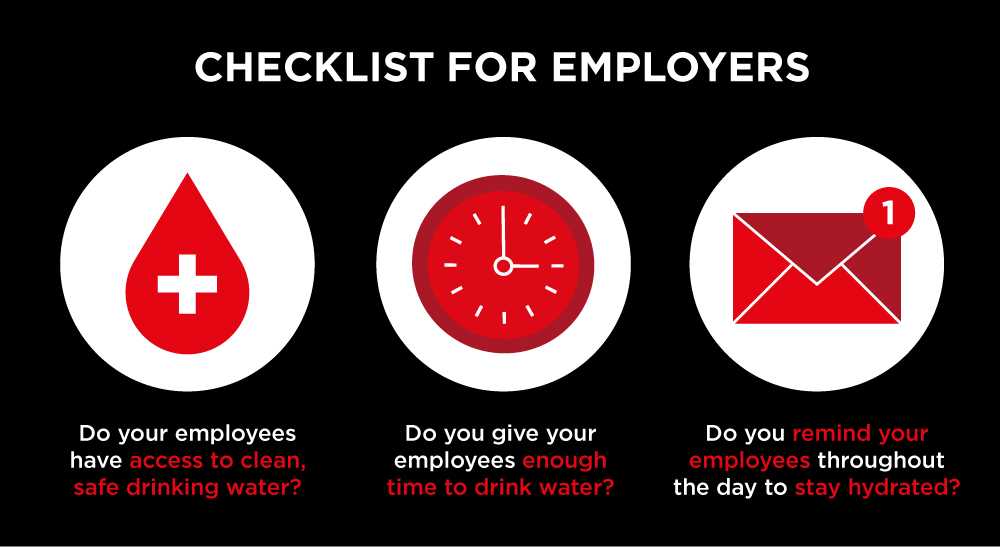
Simple Ways to Stay Hydrated at Work
Maintaining good hydration habits doesn’t have to be complicated. Small, consistent actions throughout the day are often the most effective.
Here are some top tips on how to stay hydrated:
Starting the day with a glass of water can help kick-start hydration after sleep, while keeping a reusable bottle at your desk makes it easier to sip regularly without thinking about it. Some find it helpful to track their intake by refilling their bottle a set number of times during the day.
Balancing hot drinks like tea and coffee with water is also important. Enjoying a glass of water alongside caffeinated drinks can help maintain hydration levels, particularly during busy periods.
For those who struggle with plain water, adding natural flavours such as lemon, mint or orange peel to hot or cold water can make hydration more appealing without added sugar.
Access plays a key role. When water is readily available and visible, people are far more likely to drink it regularly. Thoughtfully placed hydration points can remove barriers and encourage healthier habits across the workplace.
Why Hydration Looks Different Depending on the Setting
While hydration is important in every workplace, the way it is supported can vary depending on the environment and the people using it. In office settings, hydration is often about easy access and encouraging healthy habits throughout the day.
In care homes and healthcare environments, hydration plays a more active role. Residents may be less able to recognise thirst or request drinks, meaning staff support is essential to maintaining regular fluid intake. For this reason, hydration practices in care settings often require a more structured and hands-on approach.
The guidance below focuses on practical ways to support hydration where additional care and attention are needed.
Supporting Better Hydration in Care Environments
In care settings, hydration requires an even more considered and proactive approach.
- Residents may be less likely to recognise thirst or ask for drinks, making encouragement and availability essential.
- Offering drinks regularly throughout the day, not just at mealtimes, helps promote consistent intake.
- Keep on top of refilling patients’ glasses. Smaller, more frequent servings can be less overwhelming and encourage people to drink little and often.
- Providing water alongside tea or coffee and gently explaining the benefits can also support better hydration without feeling forceful.
- Timing matters too. Encouraging higher fluid intake earlier in the day may help reduce concerns around nighttime bathroom visits.
- During warmer weather, increase the availability of drinking water by leaving jugs out and encourage patients to drink more.
- Simple variations, like offering warm water with fruit, can appeal to those who prefer hot drinks and help maintain fluid intake in a way that feels familiar and comforting.
Preventing Dehydration in the Elderly
Dehydration is a common concern among older adults and can have serious implications if not addressed early. Reduced thirst sensation, mobility challenges and certain medications can all contribute to lower fluid intake.
In care homes and healthcare environments, ensuring consistent access to water and juice, combined with gentle encouragement, is key to reducing dehydration risks. Staff awareness, regular refilling of glasses and offering drinks at appropriate moments, such as when taking medication, all play an important role.
Providing Better Hydration Every Day
Good hydration plays a vital role in wellbeing, focus and overall health, whether in a busy workplace or a care environment. By improving access to water, encouraging regular drinking habits and tailoring approaches to different settings, organisations can make hydration a natural and supported part of the day.
At Liquidline, we help businesses and care providers create practical, reliable hydration solutions that work for their people. From mains-fed water dispensers to hot water taps and juice machines, our range is designed to make staying hydrated simple, consistent and accessible.
If you’re looking to improve hydration practices in your workplace or care setting, contact us to help find the right solution for your environment.